Fugitive healing agents occupy a slim, misunderstood edge of the justice system. They are not police officers, yet they knock on doors at 3 a.m. They bring professional licenses in numerous states, however they answer to personal customers. Their work sits at the junction of agreement legislation, criminal procedure, and the messy truths of human behavior. When somebody skips court after being launched on bond, the clock begins ticking for the bail bond business, and the person probably to wind that clock back is the fugitive healing agent.
I have rested across kitchen area tables with representatives who lugged a detective's patience and a social employee's tact. I have actually likewise seen sloppy apprehensions lead to claims and revoked licenses. This field rewards preparation and discernment, and it punishes blowing. To understand how these representatives function, you need to recognize the bail system that produces the function, the lawful authority that regulates their activities, and the craft they deploy to bring people back to court with minimal harm.
The web link between bail bonds and fugitive recovery
In most states, an accused can safeguard launch before trial by posting bail. When the defendant can not pay for the total, a business bail bonds company action in. The firm generally charges a nonrefundable costs, typically 10 percent of the bond, and pledges the full bail to the court. The plan is a simple contract on paper. The bondsman guarantees the accused's look. If the accused stops working to appear, the court orders the bond surrendered unless the individual is created within a statutory window, typically 30 to 180 days depending upon the jurisdiction and whether expansions are granted.
That forfeit danger is actual money. On a $50,000 bond, a default can erase a bail bondsman's make money from scores of routine instances. To reduce that danger, bondsmen need security from defendants or their co-signers, sometimes an auto title or a lien on a home. Collateral aids, yet the very best hedge is returning the offender to court. That is the minute when the bail bondsman calls a fugitive healing agent.
The representative's authority is derived from agreement law and varies by state. In a lot of jurisdictions that permit business bond, the defendant signs a bond agreement granting the bondsman, and any person the bail bondsman selects, the right to apprehend and surrender the accused if he breaches bond conditions. Courts have upheld this authority for more than a century, though current state laws have actually tightened it with training, licensing, and alert requirements.
When a person avoids court, bail bondsmans do not quickly unleash an agent. Numerous defaults are clerical errors or transportation problems. A fast phone call can repair it. After a missed date is confirmed and a bench warrant issues, the bondsman normally checks the accused's recent contacts. If family is uncooperative, or if there is a pattern of evasion, the documents arrive on a representative's desk.
A day's job that seldom resembles television
Television leans on auto goes after, screaming, and quickly cuffs. The most effective fugitive recuperation agents prevent noise. The real work is 2 parts research, one part fieldcraft, and one component persistence. The last fraction is luck.
The study phase starts with the file: the bond application, ID duplicates, co-signer information, company contacts, known addresses, and automobile details. A representative will run public records and proprietary databases to stitch with each other a timeline. Telephone number tied to energy accounts, brand-new towing records, a sudden uptick in website traffic tickets in a surrounding county, these crumbs issue. If the skipped instance involves a nonviolent fee and a stable family, representatives generally try persuasion prior to pressure. A phone call that structures give up as the least uncomfortable course can fix a third of files, occasionally more.
When persuasion fails, surveillance starts. Excellent agents map the regimen. People still need to purchase grocery stores, grab kids, most likely to function. Representatives find out the offender's circle and look for patterns. They collaborate with the bondsman and, when needed by regulation, alert neighborhood police prior to making contact.
Entry methods depend on law, danger, and setting. In states that enable warrantless entry right into a fugitive's house under bond contract, representatives may still choose to wait outside as opposed to breach a door. A relaxed automobile stop at dawn is generally much safer than a midnight knock that spooks a family. In apartment complexes and resorts, home managers can be allies. In most cases, a soft, courteous technique at the threshold reduces tension, particularly when family members remain in the home.
I as soon as stalked an expert agent functioning a failing to show up on a low-level burglary case. He invested 4 hours on a Sunday mid-day talking with the offender's auntie. He fixed a busted patio light while they chatted. By Monday morning, the accused strolled into the bail bondsman's workplace alone. No chase, no cuffs, just an arrangement that returning to court beats the choice. That outcome never ever makes a sizzle reel, however it is what skilled job looks like many days.
What the regulation enables, and where lines get bright
Authority is the backbone of this job. Without it, you are just a civilian knocking on doors. With it, you still should act within legal limits. The patchwork of state regulation forms technique in crucial ways.
Some states require licensing, history checks, and approved training that covers apprehension powers, use pressure, defensive techniques, legislations of apprehension and search, and de-escalation. These states often mandate that representatives carry identification, use apparel that clearly determines their function, and alert neighborhood cops prior to any planned worry. A few states need agents to obtain a court-endorsed copy of the bond or a certified sworn statement from the bondsman for each and every recovery effort. Others restrict agents from lugging firearms unless they have separate state permits.
Other states restrict or outlaw business bond totally. In those jurisdictions, there is no personal bond to impose, for that reason no exclusive fugitive healing authority. The state's law enforcement agencies manage failures to appear.
Even in permissive states, the extent of entrance and apprehension power has sides. Agents may have authority to get in the fugitive's home, however not a 3rd party's home without approval or a law enforcement warrant. Misidentifying a residence, entering without proper premises, or restraining someone who is not the named offender can develop civil liability and criminal exposure. Some states need that representatives call regional cops promptly after a risk-free uneasiness to verify identification and transport, particularly if the regional prison will certainly decline an exclusive surrender without police presence.
Use of force tracks basic self-defense and symmetry criteria. Representatives are permitted to safeguard themselves and control a withstanding fugitive, however they are not cops. Extreme pressure, displaying a tool to urge compliance when there is no danger, or intimidating member of the family can end a job. Seasoned agents normally emphasize control and conversation over confrontation. If a case reveals indicators of high danger, such as gang association or a documented history of withstanding arrest, representatives often companion with local law enforcement rather than push the envelope. Many divisions will certainly not serve as a private pickup squad, but they will certainly react to an ask for standby existence when there is a legitimate warrant and a credible safety concern.
How instances integrated, step by step
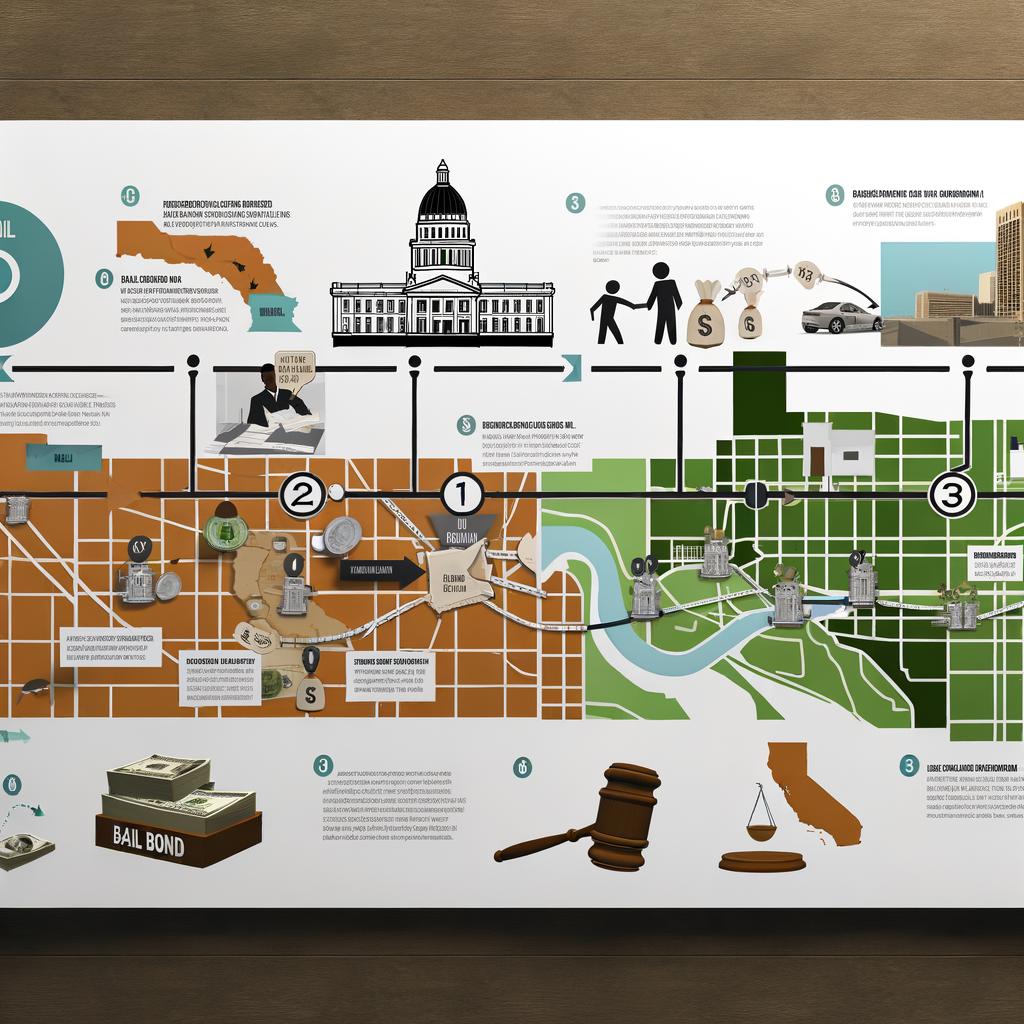
The operations repeats throughout files with little variants that depend upon the person, the cost, and the area. At a high degree, the series is predictable.
- Intake from the bondsman, evaluation of bond terms, and confirmation of the bench warrant status. Data gathering from public records, databases, social media, and co-signer interviews. Risk assessment and plan growth, including legal alerts and safety protocols. Contact efforts and bargained surrender choices with time-bound offers. Field operations, security, control, arrest, and transfer to custody.
Those five stages can stretch over a week for a light situation or several months for a hard target. A knowledgeable agent treats each phase as an opportunity to fix the case early, cheaply, and safely. If an offender has a stable job and a participating co-signer, a sensible plan to surrender after cash advance frequently functions. If the defendant is sofa searching, disabled, or taking care of kids, the plan needs to suit those truths or it will certainly backfire.
Training, qualifications, and why personality matters
The preferred photo of the job draws individuals who like adrenaline. The ones that last choose checklists. Training programs in states that license representatives typically run 16 to 80 hours, occasionally a lot more. The educational program covers legal foundations, identifying records, report writing, radio discipline, and weapon safety and security if permitted. Many agents arrive from surrounding fields, such as army authorities, private examinations, or safety and security having. Those histories aid, however they do not substitute for state-specific lawful training.
Temperament is the hidden ability. You are asking someone that is currently anxious, frequently under the influence of stress or substances, to trade a few hours of liberty for a jail cell. A tranquil voice, clear explanations, and reliable guarantees concerning following actions can maintain a circumstance stable. Agents who escalate rapidly burn bridges with families and attract issues. The best can switch from tactful to decisive when risk spikes, after that back to relax when control is restored.
Paperwork is not glamorous, but it matters. Reports document time, location, notifications, and any type of building damage. Clean documents secure the representative if a defense lawyer alleges an unlawful access, and they aid the bail bondsman combat a forfeit by revealing persistent recovery efforts. In states that enable a remission of forfeiture after concern, a detailed timeline can save a bondsman tens of countless dollars.
Tools of the trade, from data sources to door knockers
Gadgets appear in advertising sales brochures. Fact is more ordinary and much more reliable. The device that closes instances usually is a phone, utilized with technique and empathy. Past that, the kit is utilitarian.
Agents depend on membership databases that aggregate energy records, bankruptcies, lorry registrations, and prior addresses. These solutions are not magic, however they tighten searches fast. Social media remains fertile ground. A marked birthday celebration image can place a fugitive in a details city last weekend break. Geo-tagged posts, much less common currently, still surface area periodically. Representatives develop sources inside hauling backyards, apartment building offices, and little employers. The assurance of a tiny reference cost or a future support opens doors.
In the field, vehicles are kept plain. Blinking lights welcome trouble and lawful gray areas. Radios and hands-free headsets keep communication silent. Restrictions are standard. Firearms plans show state regulation and agency plan. Some representatives choose less-lethal devices where permitted, such as OC spray. Body cameras are gaining grip, not as a program of force, however as documentation that de-escalation was tried which the individual was treated pleasantly. When a grievance lands, video can make the difference.
Coordination with law enforcement and the courts
Fugitive recuperation representatives do not run in a vacuum cleaner. Excellent relationships with neighborhood police, sheriff's divisions, and prison personnel reduce the handoff. When agents notify send off before a prepared pickup, policemans can prevent misunderstandings if a neighbor employs a "male with a weapon" throughout a legal apprehension. In some cities, a recognized agent can walk a cooperative accused directly to the reservation workdesk, cutting hours off the procedure and reducing the possibility of friction on the street.
Courts additionally play a role. After an uneasiness, the bail bondsman files paperwork to reserve or lower the loss, attaching proof of return to custody. Depending on neighborhood guidelines, judges may remit all or component of the forfeited bond if the accused is surrendered within a specified period. Representatives that keep the timeline tight and the documents strong improve the odds of remission. That win ripples. The bondsman maintains business solvent, which maintains the door open for various other accuseds to secure pretrial release.
Ethics, optics, and community impact
This job touches people at prone minutes. A botched entry or a rude agent can harm trust beyond a single case. Honest technique starts with obeying the legislation, however it does not end there. Representatives encounter selections that are lawful yet foolish. Dragging a moms and dad away in front of children at school pickup is hardly ever the most intelligent step. Waiting an hour, calling a co-signer, setting up child care, those are tiny, gentle steps that typically lead to a much safer surrender without compromising the mission.
Racial and economic optics matter too. The commercial bond sector has doubters that suggest that it criminalizes destitution. Agents can not fix structural disputes, but they can run with openness, describe options plainly, and prevent unnecessarily harsh methods that validate the most awful assumptions. Some make a point to link offenders with their attorney by phone before transportation, so the individual understands what to expect initially look. Tiny courtesies travel far.
Agents also determine when to state no. Not every documents is sound. If the bail bondsman does not have correct paperwork, if the address appears incorrect, or if the task crosses a state line without meeting that state's licensing regulations, going back safeguards business long term. Passion can be costly. So can pride.
Money, threat, and why situations pay the method they do
Fees vary extensively based on location, danger, and speed. An uncomplicated pick-up on a low bond, within the same area, might pay a couple of hundred bucks. A cross-state hunt on a high bond can reach numerous thousand, plus costs. Some bondsmen offer a portion of the bond, frequently 5 to 10 percent for challenging data, yet many prefer level fees per worry to manage cost. Agents cover gas, data source memberships, equipment, and insurance. Responsibility insurance policy is not low-cost, and some providers will not touch this profession. Reputational danger drives pricing as long as risk does.
Time eliminates revenue. If a representative invests 2 weeks on monitoring just to learn that a family member quietly drove the accused to court the day in the past, that is a difficult lesson in interaction. The best working partnerships in between bail bondsmans and representatives consist of limited feedback loopholes. If the accused calls the bail bondsman at 8 p.m. to surrender tomorrow, the representative requires to understand quickly to pause operations.
Edge situations that separate pros from amateurs
Every agent has a tale concerning the weird case that required improvisation. The reflex to require a standard playbook into a strange form breaks things. 2 patterns recur:
- The wrong-door problem. Comparable names, old addresses, and recycled apartment numbers can deceive also seasoned drivers. A disciplined confirmation action before any entrance minimizes the odds. Knock-and-talk, asking for the person by full name and confirming with a photo, typically prevents a bad error. If an entrance is lawful, representatives still choose permission first since permission travels well in court. The medical and psychological health and wellness curveball. A defendant in dilemma can escalate without caution. Tranquil communication, a time out to let a family member talk, and sychronisation with EMS when needed keep individuals safe. Rescheduling a surrender for the next early morning, with a trip set up and an assurance to avoid cuffing in front of kids, is not weakness. It is prudence.
One more side situation is worthy of focus: out-of-state travel. A bond agreement may consist of a waiver of extradition, but agents can not depend on a common stipulation when crossing boundaries. Several states require neighborhood licensing to conduct healing job within their boundaries. Others allow cooperation if a regional accredited representative takes the lead. Pros develop networks of vetted associates in surrounding states to comply without delay.
Where fugitive recovery fits in the broader justice system
Supporters of industrial bond suggest that exclusive resources and private enforcement decrease pretrial detention rates without straining taxpayers. Critics respond to that outcomes are irregular which ability to pay distorts justice. Both can be real depending on the court house you walk into. Inside that dispute, fugitive recovery agents solve a details issue. Courts have actually limited sources. Police divisions focus on violent criminal offenses. When an offender with a nonviolent charge misses out on court, a private agent frequently closes the loop much faster than a warrant team can. The general public does not discover the countless silent returns to safekeeping that maintain dockets moving.
There is room for reform without caricature. States that require training, clear recognition, and clear coordination with police have a tendency to see less grievances. Bondsmen who communicate proactively with offenders and offer organized pointers reduce failures to appear, which minimizes the requirement for recuperation to begin with. Modern technology aids. Text reminders, ride coupons for court dates, and quick check-ins by phone are cheap and efficient. Agents gain from those investments, due to the fact that less cases spoil, and those that do are much better documented.
For defendants and households browsing a bond
People under bond are not abstractions. They are employees, moms and dads, and next-door neighbors trying to juggle court with life. When someone misses a date, panic surges. That is the moment to call the bail bondsman, not to hide. Most bondsmen will certainly deal with an accused to reset a court appearance within the lawful home window, specifically if the individual calls first. Waiting till a representative goes to the door reduces options and increases price. Families who co-signed need to keep documents of new addresses and jobs. It is better to be the relative who calls to arrange a surrender than the one seeing a late-night arrest in the driveway.
On the opposite side, if a recovery agent get in touches with an offender, a tranquil conversation can shape the following 24-hour. Ask for recognition. Validate the agency with the bail bondsman. Demand that the surrender takes place at a time that stays clear of public humiliation ideally. Have a bag ready with any type of medicine, a listing of doctors, and a contact for a lawyer. Representatives that deal with self-respect often react in kind.
The silent craft behind a noisy reputation
The stereotype of the fugitive hunter, loud and careless, lingers. The actual job prefers peaceful operators that understand exactly how agreements converge with criminal courts, that can review a community from the first turn off the main road, and who treat households like people as opposed to challenges. They tie the business economics of bail bonds to the functional requirement to return defendants to court. The general public hardly ever sees them because the best end results are uneventful.

That is the paradox of fugitive recuperation. It shows up when it fails, unnoticeable when it goes right. The job rests there, behind-the-scenes, aiding an exclusive promise to the court remain reputable. When the phone rings and a bail bondsman https://spencerrpjm320.wpsuo.com/layaway-plan-for-bail-bonds-choices-and-tips states a client skipped, a representative builds a strategy: regulation initially, safety constantly, persuasion before stress. Most days, that suffices. On the days when it is not, training, persistence, and judgment carry the rest.